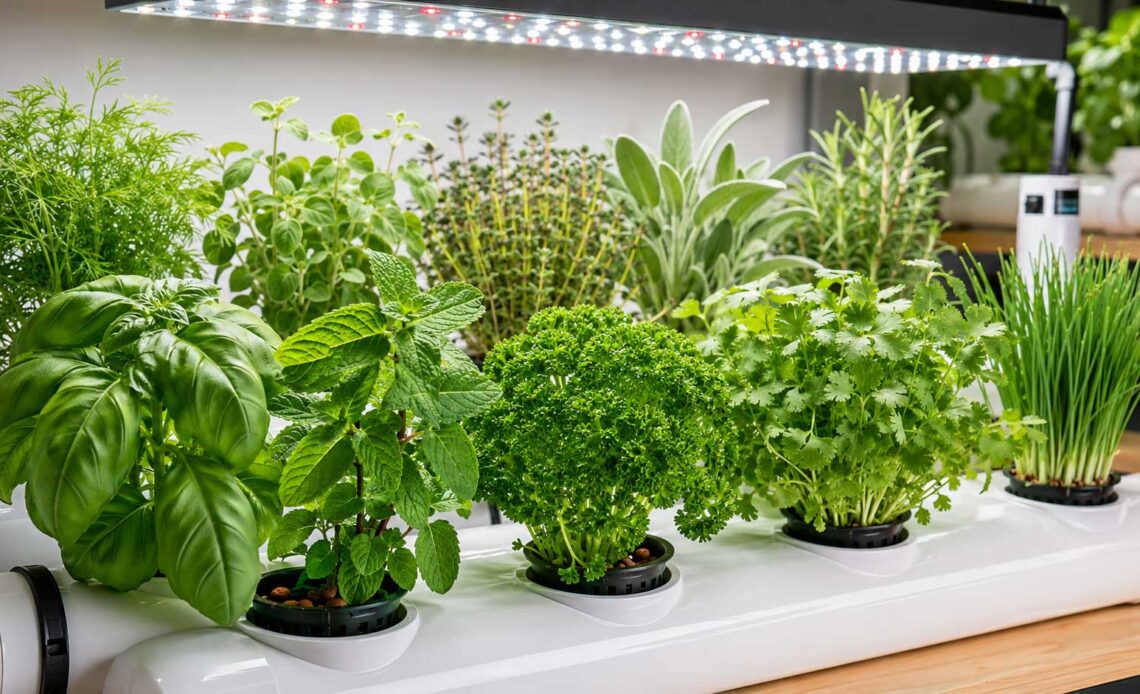
Fresh herbs are some of the easiest crops to grow without soil. Basil, mint, parsley, cilantro, and many other culinary favorites adapt well to hydroponics and can provide regular harvests right from your kitchen or indoor growing space.
One of the biggest advantages is control. Instead of relying on garden soil, the roots receive water and nutrients directly from the nutrient solution. With adequate light, good root-zone oxygen, and the right nutrient balance, herbs can grow quickly and stay productive throughout the year.
The best hydroponic herbs aren’t necessarily unusual varieties. For most home growers, the better choices are herbs that grow reliably, respond well to harvesting, and don’t require an overly complicated setup.
Below, we’ll compare 10 herbs that grow well in hydroponics, including their preferred pH, nutrient strength, temperature, lighting needs, and suitable hydroponic systems. If you’re building your first hydroponic herb garden, you’ll also find several easy options that are well suited to beginners.
Why Grow Herbs Hydroponically?
Herbs are a natural fit for hydroponics. Many popular culinary varieties stay relatively compact, respond well to frequent harvesting, and don’t need the large growing area required by crops such as tomatoes or cucumbers. That makes a hydroponic herb garden practical even when you’re working with limited indoor space.
Faster, More Controlled Growth
With hydroponics, you have direct control over what reaches the roots. Water and dissolved nutrients are readily available, while factors such as pH, nutrient strength, lighting, and temperature can be adjusted as the plants grow.
Under good conditions, fast-growing herbs such as basil and mint can develop quickly and recover well after harvesting. Actual growth rates vary considerably by herb, system, lighting, temperature, and nutrient management, so hydroponics doesn’t automatically guarantee faster growth.
Fresh Herbs Throughout the Year
You don’t have to wait for the outdoor growing season to enjoy homegrown herbs. An indoor setup with adequate grow lighting can keep basil, parsley, mint, chives, and other indoor hydroponic herbs growing during winter as well as summer.
That convenience becomes noticeable with herbs you use several times a week. Instead of buying an entire bunch when you only need a few leaves, you can harvest what you need and leave the rest growing.
No Soil or Weeding
Growing without soil means no weeding and considerably less dirt around your indoor garden. It also removes many problems associated specifically with soil.
That doesn’t mean hydroponic plants are pest- or disease-proof. Aphids, fungus gnats, spider mites, algae, and root diseases can still become problems, so keeping the system clean and inspecting plants regularly remains important.
Control Over Growing Conditions
Hydroponics gives you much more control over the root environment than a typical garden bed. You can monitor pH and nutrient concentration and make adjustments when necessary.
This can be particularly useful when growing several batches of the same herb and trying to produce consistent results.
Efficient Water Use
Many hydroponic systems capture and reuse nutrient solution rather than allowing irrigation water to drain into the surrounding soil.
Recirculating systems can therefore be very water-efficient, although actual savings depend on the type of system, crop, climate, and how the garden is managed.
Works Well in Small Spaces
You don’t need a greenhouse or backyard to start growing herbs in water. Compact countertop gardens can fit in a kitchen, while larger DWC and NFT systems work well on shelves, grow racks, balconies, or dedicated indoor growing areas.
For beginners, this is one of hydroponics’ biggest advantages: you can start with only a handful of plants and expand later.
Convenient Harvesting
Indoor herbs are easy to keep within reach, which makes regular harvesting much more convenient. Basil, mint, oregano, and chives respond especially well to frequent trimming.
Rather than waiting for one large harvest, you can take smaller amounts as needed. Pruning at the right points also encourages many herbs to branch and produce additional leafy growth.
Pro Tip: If this is your first system, start with basil, mint, parsley, or chives. These are some of the easiest hydroponic herbs to manage while you’re learning how to balance lighting, nutrients, pH, and harvesting.
10 Best Hydroponic Herbs
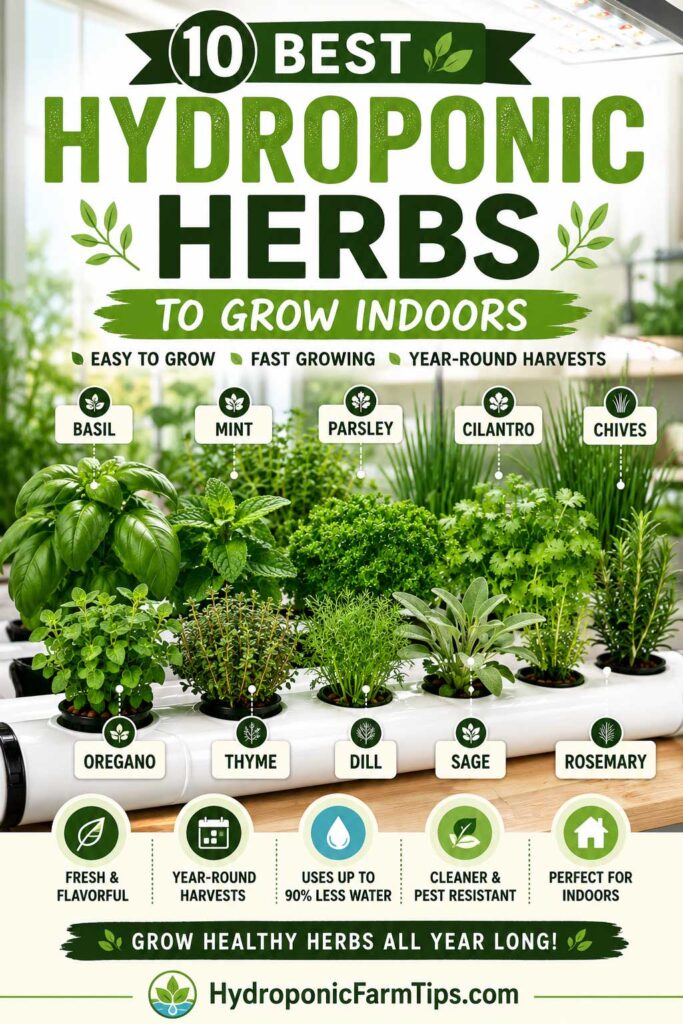
Not every herb behaves the same way in a hydroponic system. Some, such as basil and mint, grow rapidly and tolerate frequent harvesting, while woody herbs like rosemary need more time and careful root-zone management. The 10 best hydroponic herbs below were selected for their suitability for soilless growing, usefulness in the kitchen, harvest potential, and overall practicality for home growers.
The pH, EC, light, and temperature ranges listed below are useful starting points rather than rigid rules. Your ideal settings may vary slightly depending on the variety, growth stage, hydroponic system, and conditions in your growing area.
Fresh herbs are especially convenient when they’re growing close to the kitchen. Since many culinary herbs stay relatively compact, you can grow several varieties on a countertop, shelf, or sunny windowsill without giving up much space.
If you want to grow several herbs together, an ebb-and-flow system or Deep Water Culture (DWC) system can work well for varieties with similar nutrient and growing requirements. Just leave enough room between plants for their roots and foliage to develop.
1. Basil — Best Overall
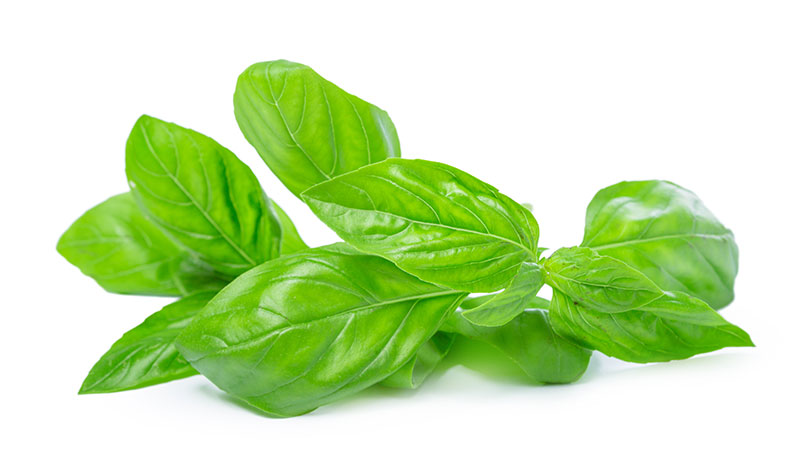
Basil is an excellent place to start if you’re new to herbs for hydroponics. It grows quickly, responds well to pruning, and can produce repeated harvests from a relatively small plant. Genovese and sweet basil are reliable choices for everyday cooking, while Thai, lemon, and purple basil are worth trying once you want to add more variety.
Basil also responds noticeably to pruning. Pinching the growing tip just above a leaf node encourages new side shoots, resulting in a fuller plant instead of one tall central stem. Harvest regularly and remove flower buds when they appear if your goal is continued leaf production.
Basil Growing Requirements
| Growing Factor | Recommended Range |
|---|---|
| Light | 14–16 hours per day |
| pH | 5.8–6.2 |
| EC | 1.0–1.6 mS/cm |
| Temperature | 70–80°F (21–27°C) |
| Difficulty | Easy |
Best Hydroponic System for Basil
Basil performs well in several setups, but NFT and DWC are two of the most practical choices for home growers. NFT works well when growing several basil plants in a row, while DWC keeps the roots in continuous contact with the nutrient solution and can support vigorous growth when the water is well aerated. Drip systems are another option, especially for larger or mixed hydroponic gardens.
If you’re comparing setups, see our guide to the best hydroponic growing systems for a closer look at how NFT, DWC, drip, and other methods work.
Basil Varieties to Try
You don’t have to stick with standard sweet basil. Genovese basil is a favorite for pesto, while Thai basil has a distinctive flavor that works well in Southeast Asian dishes. Other varieties worth experimenting with include purple basil, lemon basil, lime basil, lettuce-leaf basil, and spicy globe basil.
For your first hydroponic basil plant, however, sweet or Genovese basil is hard to beat. Both grow quickly, respond well to regular pruning, and are useful in a wide range of recipes.
Best for: Beginners, frequent harvesting, pesto and everyday cooking.
2. Mint — Fastest Growing
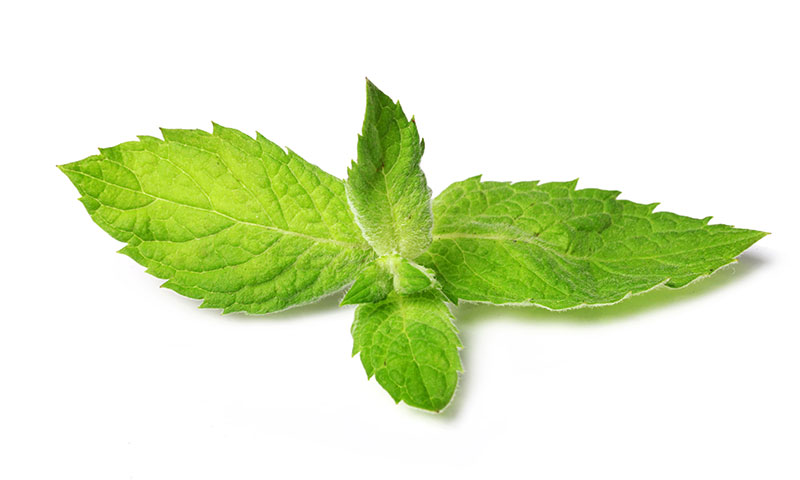
Mint is one of the most vigorous hydroponic herbs you can grow. Once established, it spreads quickly and responds well to repeated cutting, so a single healthy plant can provide plenty of leaves for teas, infused water, salads, sauces, desserts, and other recipes.
That vigorous growth is also something you’ll need to manage. Mint can crowd neighboring plants if it’s allowed to become too large, particularly in compact countertop systems. Regularly trimming the stems keeps the plant manageable while encouraging fresh, tender growth.
Mint Growing Requirements
| Growing Factor | Recommended Range |
|---|---|
| Light | 12–16 hours per day |
| pH | 5.5–6.5 |
| EC | 1.2–1.8 mS/cm |
| Temperature | 65–75°F (18–24°C) |
| Difficulty | Easy |
Best Hydroponic System for Mint
DWC and NFT are both good choices for mint. DWC gives its rapidly developing roots plenty of access to water and nutrients, while NFT works well when growing multiple plants in channels. Mint can also grow in a simple wick system when you want a smaller, low-maintenance setup.
Because mint grows aggressively, give it enough space and keep an eye on its roots. In shared systems, regular pruning can prevent the plant from overwhelming slower-growing herbs.
Mint Varieties to Try
Spearmint and peppermint are two of the most popular choices for a hydroponic garden. Spearmint has a milder, sweeter flavor, while peppermint has a stronger cooling character that works particularly well in herbal tea, infused water, and desserts.
Hydroponic peppermint grows well in NFT and ebb-and-flow systems and can also thrive in DWC with good root-zone aeration. Indoors, it generally does well with about 12–16 hours of light per day. Like other mints, peppermint responds well to regular harvesting, which encourages fuller, bushier growth. Rather than cutting down the entire plant on a fixed schedule, harvest individual leaves or stems as needed.
For something different, you can also experiment with chocolate mint, apple mint, orange mint, or pineapple mint.
Best for: Beginners, frequent harvesting, teas, infused water, sauces, salads, and desserts.
3. Parsley
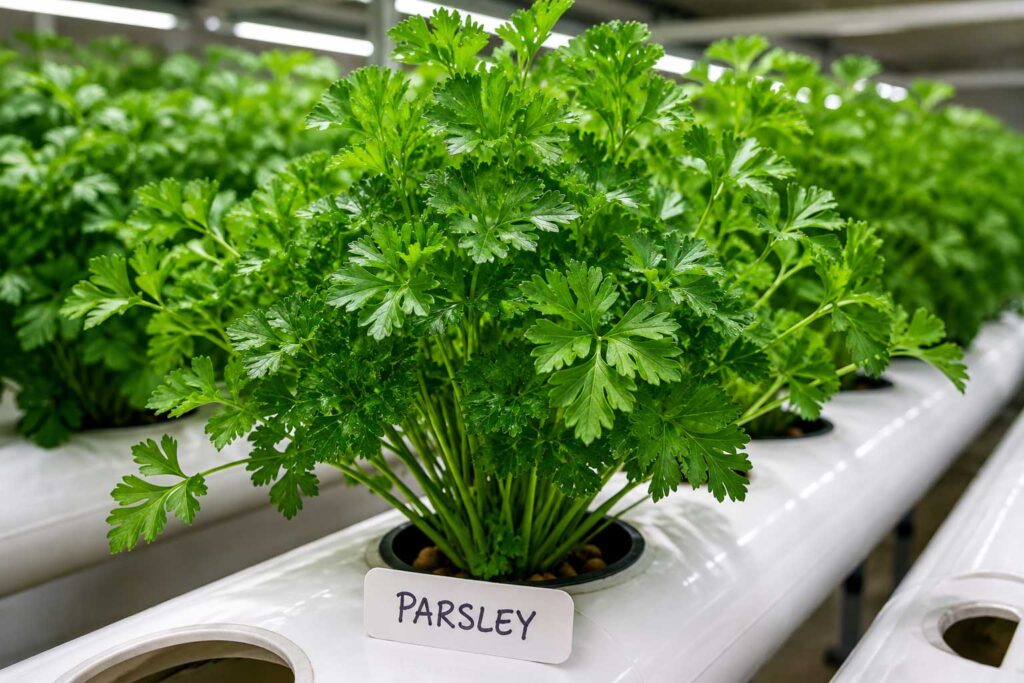
Parsley isn’t as fast out of the gate as basil or mint, but it’s worth the wait. Once established, the plant can provide repeated harvests of fresh leaves and stays relatively compact, making it a good choice for an indoor hydroponic herb garden.
The biggest challenge with parsley is usually getting started. Seeds can take longer to germinate than many other common herbs, so don’t assume something has gone wrong if seedlings are slow to appear. Once the roots and foliage develop, parsley becomes much easier to manage.
Parsley Growing Requirements
| Growing Factor | Recommended Range |
|---|---|
| Light | 12–16 hours per day |
| pH | 5.8–6.5 |
| EC | 0.8–1.8 mS/cm |
| Temperature | 65–75°F (18–24°C) |
| Difficulty | Easy–Moderate |
Best Hydroponic System for Parsley
DWC and NFT both work well for hydroponic parsley. DWC provides consistent access to water and nutrients, while NFT is convenient when growing several plants in a compact area. Parsley can also be grown successfully in an ebb-and-flow system.
Give mature plants enough room for their foliage and roots rather than packing them tightly between faster-growing herbs. Good airflow around the leaves is also helpful as the plants become denser.
Parsley Varieties to Try
Flat-leaf Italian parsley is a great choice if you mainly grow herbs for cooking. It has broad leaves, a strong flavor, and is easy to harvest a few stems at a time. Curly parsley stays compact and has tightly curled leaves that work particularly well as a garnish.
Whichever variety you choose, harvest the larger outer stems first and allow the younger growth in the center of the plant to continue developing.
Best for: Cooking, garnishes, compact indoor gardens, and growers who want repeated harvests from established plants.
4. Cilantro (Coriander)
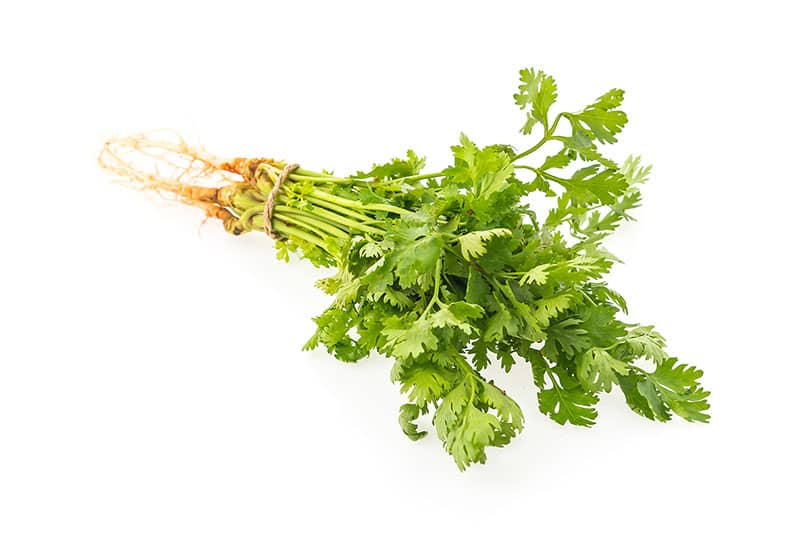
Cilantro can be a little more demanding than basil or mint, but it grows well hydroponically when temperatures are kept on the cooler side. Its biggest challenge is bolting—the plant shifts from producing leafy growth to developing flowers and seeds, especially when conditions become too warm.
Keeping cilantro around 60–70°F (16–21°C) can help maintain leafy growth longer, although bolting is ultimately part of the plant’s natural life cycle. Instead of trying to keep one plant producing indefinitely, many growers start new seedlings at regular intervals so another crop is ready when older plants begin to flower.
Cilantro Growing Requirements
| Growing Factor | Recommended Range |
|---|---|
| Light | 12–14 hours per day |
| pH | 6.0–6.7 |
| EC | 0.8–1.8 mS/cm |
| Temperature | 60–70°F (16–21°C) |
| Difficulty | Moderate |
Best Hydroponic System for Cilantro
NFT and DWC are both suitable for hydroponic cilantro. NFT is particularly convenient when growing cilantro in successive batches, while DWC provides consistent access to water and nutrients. The Kratky method can also work well for a small crop when you want a simple setup without pumps.
Avoid overcrowding the plants as they mature. Giving cilantro adequate light and airflow helps produce fuller plants and makes harvesting easier.
Cilantro Varieties to Try
If premature bolting has been a problem, look for slow-bolting cilantro varieties developed to remain in the leafy stage longer. Standard cilantro varieties are also suitable for hydroponics, particularly when you plan to sow new plants regularly rather than relying on a single crop for months.
There’s also a bonus if you let some plants mature: cilantro and coriander come from the same plant. The fresh leaves and stems are generally called cilantro in the United States, while the dried seeds are known as coriander.
For a steadier supply, start a small batch of cilantro every few weeks instead of planting everything at once.
Best for: Salsa, tacos, curries, Asian dishes, succession planting, and growers who can maintain cooler indoor temperatures.
See also
5. Chives
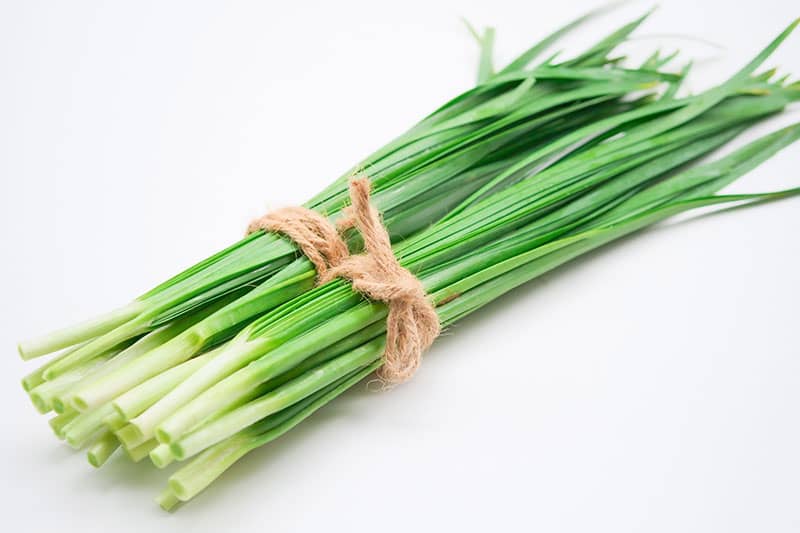
Chives are a compact, dependable choice for a hydroponic garden. Their slender leaves don’t take up much horizontal space, and once the plants are established, you can harvest them repeatedly instead of replacing the entire plant after each cutting.
Their mild onion-like flavor works well with eggs, potatoes, soups, salads, dips, sauces, and roasted vegetables. Because you usually need only a small amount at a time, having a living plant close to the kitchen is especially convenient.
Chive Growing Requirements
| Growing Factor | Recommended Range |
|---|---|
| Light | 12–14 hours per day |
| pH | 6.0–6.5 |
| EC | 1.2–1.8 mS/cm |
| Temperature | 65–75°F (18–24°C) |
| Difficulty | Easy |
Best Hydroponic System for Chives
Chives aren’t particularly demanding when it comes to the type of hydroponic system. DWC, NFT, ebb-and-flow, and drip systems can all work well, giving you plenty of flexibility if you’re adding chives to an existing herb garden.
Their compact, upright growth also makes them useful when space is limited. Rather than growing a single stem at each planting site, allow chives to develop in small clumps for a fuller crop that’s easier to harvest.
Chive Varieties to Try
Common chives, sometimes called onion chives, are the best starting point for most indoor growers. They produce the familiar slender leaves with a mild onion flavor. Garlic chives have flatter, slightly broader leaves and a more noticeable garlic flavor.
Chives take a little patience when started from seed. Under suitable conditions, seedlings may begin appearing within a couple of weeks, while plants generally need several more weeks before they’re large enough for a meaningful first harvest. Providing at least 12 hours of adequate light per day helps support steady indoor growth.
Once established, harvest by cutting the leaves above the base rather than removing the entire plant. Leave enough healthy growth behind for the chives to produce another round of leaves.
Best for: Beginners, small hydroponic gardens, repeated harvesting, baked potatoes, eggs, soups, dips, and everyday cooking.
Oregano
6. Oregano
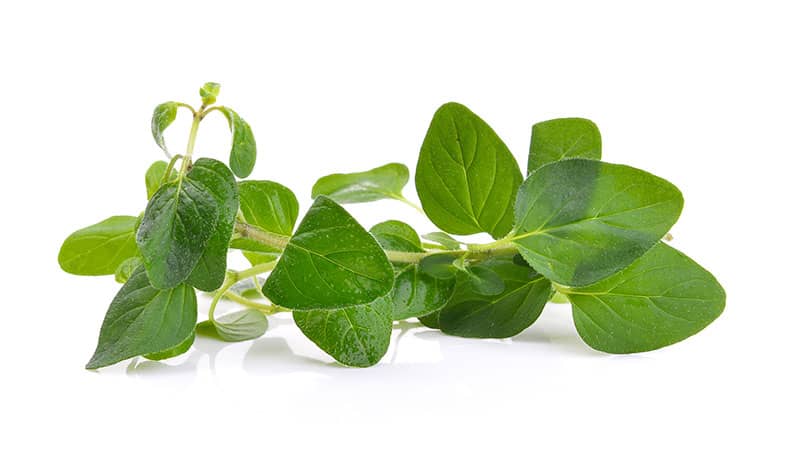
Oregano brings something different to a hydroponic herb garden. Unlike soft, leafy herbs such as basil and cilantro, it develops firmer stems and naturally grows into a compact, branching plant. Its bold flavor makes it especially useful for Italian, Greek, and other Mediterranean dishes.
Oregano doesn’t need to become a large plant before you start using it. Once it has several healthy stems, you can harvest small amounts regularly. Trimming the growing tips also encourages branching and helps prevent the plant from becoming tall and sparse.
Oregano Growing Requirements
| Growing Factor | Recommended Range |
|---|---|
| Light | 14–16 hours per day |
| pH | 5.8–6.5 |
| EC | 1.5–2.0 mS/cm |
| Temperature | 65–75°F (18–24°C) |
| Difficulty | Easy |
Best Hydroponic System for Oregano
Oregano adapts to several hydroponic setups. Drip and ebb-and-flow systems are particularly useful as the plant matures and develops firmer stems, while NFT can work well for younger, compact plants. DWC is another option as long as the nutrient solution is well aerated.
Whichever method you choose, avoid crowding oregano between faster-growing herbs. Give the plant enough space to branch outward and prune the growing tips periodically to maintain a compact, bushier shape.
Oregano Varieties to Try
Greek oregano is an excellent choice if you’re growing primarily for culinary use. It has the strong, familiar flavor associated with Greek and Mediterranean cooking. Italian oregano is another useful option and tends to have a somewhat milder flavor.
You may also encounter common oregano and compact varieties suited to smaller growing spaces. When choosing seeds or starter plants, check the variety carefully—plants sold under the general name “oregano” can differ noticeably in flavor.
Oregano can be used fresh or dried for later use. If you’re harvesting regularly, take individual stems while leaving plenty of healthy foliage on the plant to support continued growth.
Best for: Mediterranean cooking, pizza and pasta sauces, drying, compact gardens, and repeated harvesting.
7. Thyme
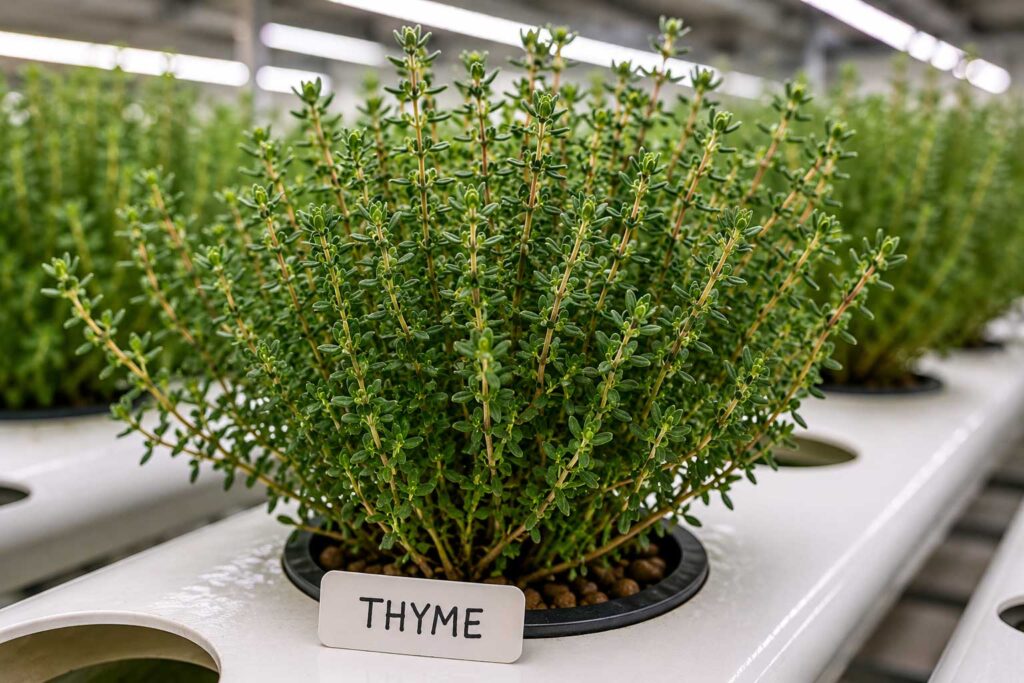
Thyme grows more slowly than basil or mint, but once established it can become a dependable addition to a hydroponic herb garden. Its compact growth habit also makes it useful when you want to grow several culinary herbs without giving each plant a large amount of space.
As a Mediterranean herb, thyme is naturally adapted to conditions quite different from those preferred by moisture-loving plants. In hydroponics, that doesn’t mean allowing the roots to dry out. Instead, focus on good root-zone oxygenation, moderate nutrient strength, and avoiding an overly warm or poorly aerated nutrient solution.
Thyme Growing Requirements
| Growing Factor | Recommended Range |
|---|---|
| Light | 14–16 hours per day |
| pH | 5.5–6.5 |
| EC | 1.0–1.6 mS/cm |
| Temperature | 65–75°F (18–24°C) |
| Difficulty | Easy–Moderate |
Best Hydroponic System for Thyme
NFT and drip systems are practical choices for hydroponic thyme. NFT provides a shallow, continuously moving supply of nutrient solution while leaving much of the root system exposed to oxygen. A well-managed drip system is another good option, particularly as the plant becomes larger and develops woodier stems.
Thyme can also be grown in DWC, but aeration becomes especially important when the roots remain continuously submerged. For a mixed herb garden, avoid assuming that thyme needs exactly the same conditions as faster-growing leafy herbs.
Thyme Varieties to Try
Common thyme is the most versatile choice for everyday cooking and a sensible variety for first-time growers. English thyme is another popular culinary option, while lemon thyme has a noticeable citrus aroma that works particularly well with vegetables, poultry, and fish.
Once the plant has developed several healthy stems, harvest small amounts by clipping the upper portions rather than cutting deeply into older, woody growth. Regular light trimming can help maintain a compact plant and encourage fresh shoots.
Best for: Roasted vegetables, soups, sauces, Mediterranean dishes, compact gardens, and growers looking for a slower-growing perennial herb.
8. Dill
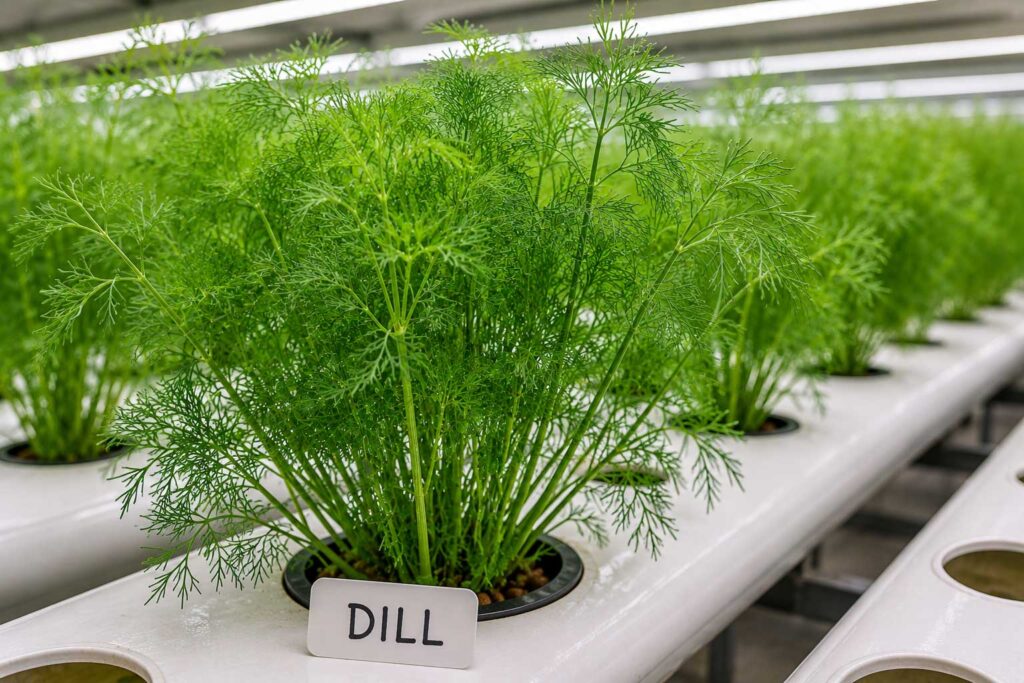
Dill brings a different shape to a hydroponic herb garden. Instead of forming a compact mound like thyme or oregano, it develops tall stems covered with delicate, feathery leaves. That vertical growth means mature plants need more headroom and may require light support, especially in countertop systems with adjustable grow lights.
You can begin harvesting the foliage while the plant is still young, taking small amounts as needed for pickles, potatoes, soups, salads, sauces, dips, and other dishes. If you allow dill to continue maturing and flower, it will eventually produce seeds that can also be harvested for cooking and pickling.
Dill Growing Requirements
| Growing Factor | Recommended Range |
|---|---|
| Light | 12–16 hours per day |
| pH | 5.5–6.5 |
| EC | 1.2–1.8 mS/cm |
| Temperature | 60–75°F (16–24°C) |
| Difficulty | Moderate |
Best Hydroponic System for Dill
DWC and ebb-and-flow systems are good choices for hydroponic dill, particularly when the plants have enough room to develop their roots and tall stems. NFT can also work, but you’ll need to consider plant spacing and support as dill matures.
Whatever system you choose, don’t place dill directly beneath a low grow light that can’t be raised. Its height can quickly become a problem in compact indoor gardens designed primarily for lettuce or short culinary herbs.
Dill Varieties to Try
Bouquet dill is one of the most familiar varieties and a good all-purpose choice when you want both foliage and seeds. Fernleaf dill stays more compact, making it particularly useful for indoor hydroponic gardens where vertical space is limited.
If you’re growing mainly for fresh leaves, harvest the outer foliage while leaving enough healthy growth for the plant to continue developing. For dill seed, allow some plants to flower and leave the seed heads in place until they mature.
Unlike basil, dill isn’t a herb you need to constantly pinch into a bushy shape. Give it enough vertical room and let its natural upright growth work to your advantage.
Best for: Pickling, potatoes, soups, salads, dips, seed harvesting, and hydroponic gardens with adequate vertical space.
9. Sage
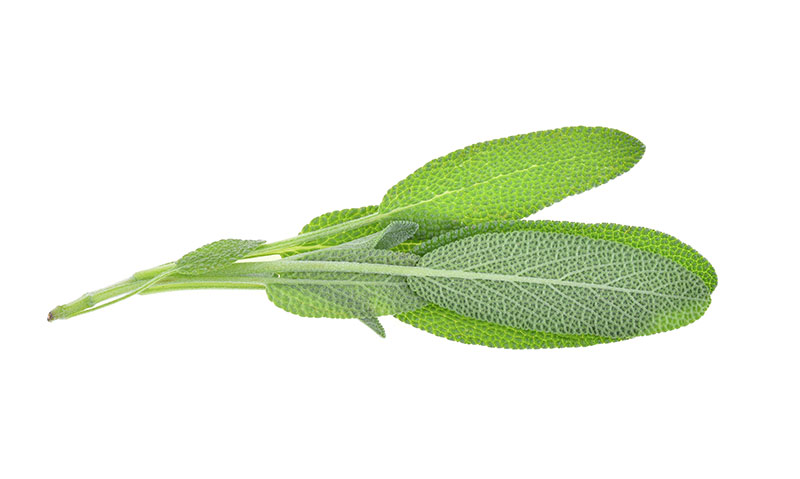
Sage takes more patience than fast-growing herbs such as basil or mint, but it can be grown successfully in hydroponics when its root zone is well oxygenated and the plant receives plenty of light. As it matures, sage develops woody stems and broad, silver-green leaves with the distinctive aroma used in many savory dishes.
Because sage is naturally a Mediterranean herb, avoid treating it like a moisture-loving leafy green. Good airflow around the foliage, adequate spacing, and a well-managed root zone become increasingly important as the plant grows larger.
Sage Growing Requirements
| Growing Factor | Recommended Range |
|---|---|
| Light | 14–16 hours per day |
| pH | 5.8–6.5 |
| EC | 1.2–1.8 mS/cm |
| Temperature | 65–75°F (18–24°C) |
| Difficulty | Moderate |
Best Hydroponic System for Sage
Drip and NFT systems are practical choices for hydroponic sage. A drip system works particularly well as sage develops a larger, woodier plant because you have more control over irrigation while maintaining good aeration around the roots.
NFT can work for younger and more compact plants. DWC is another possibility, but strong aeration is important when sage roots remain continuously exposed to nutrient solution.
Give mature plants enough space rather than squeezing them between faster-growing herbs. Sage can eventually become considerably larger than it appears during the seedling stage.
Sage Varieties to Try
Common garden sage is the best starting point if your main goal is cooking. Its familiar savory flavor works well with roasted vegetables, beans, sauces, breads, poultry, and stuffing.
For something more decorative, purple sage and tricolor sage offer colorful foliage while remaining useful as culinary herbs. These varieties can be interesting additions to an indoor garden when you want something beyond the usual bright-green herbs.
Begin harvesting lightly once the plant is well established. Take individual leaves or young stems as needed, but avoid removing too much growth from a young plant at once. As sage matures, occasional pruning helps keep it compact and encourages new shoots.
Best for: Savory cooking, roasted vegetables, stuffing, attractive foliage, and growers comfortable with a slightly slower-growing herb.
10. Rosemary
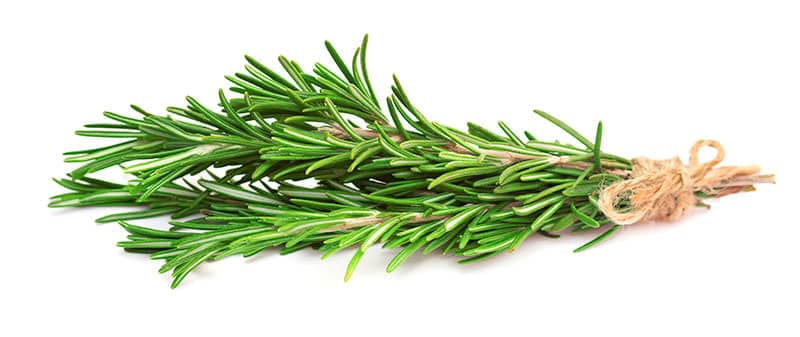
Rosemary is more demanding than most of the best hydroponic herbs on this list, but it’s a rewarding choice once you’ve gained some experience. It grows slowly, develops woody stems, and needs careful root-zone management, so don’t expect the rapid growth you get from basil or mint.
The plant’s needle-like leaves have a distinctive piney aroma and strong flavor that works well with roasted vegetables, potatoes, breads, soups, sauces, and Mediterranean dishes. Rosemary also develops into an attractive, shrub-like plant, although mature specimens need considerably more room than compact herbs such as chives or thyme.
Rosemary Growing Requirements
| Growing Factor | Recommended Range |
|---|---|
| Light | 14–16 hours per day |
| pH | 5.5–6.5 |
| EC | 1.2–2.0 mS/cm |
| Temperature | 65–75°F (18–24°C) |
| Difficulty | Moderate–Advanced |
Best Hydroponic System for Rosemary
A drip system is one of the most practical choices for hydroponic rosemary, especially when the plant is supported in an airy soilless growing medium that allows plenty of oxygen to reach the roots. NFT can also work for younger plants, although you’ll need to account for the larger root system and woody growth as rosemary matures.
Rosemary can also be grown using DWC and other hydroponic methods, but systems that keep the roots continuously surrounded by nutrient solution require careful aeration. For beginners choosing between herbs, basil, mint, or chives are generally more forgiving plants to learn with before moving on to rosemary.
Rosemary Varieties to Try
Common rosemary is a reliable starting point for culinary use. Upright varieties are particularly convenient for indoor gardens because their vertical growth can be easier to manage than sprawling or trailing types.
If space is limited, look for a compact rosemary variety rather than choosing a cultivar that eventually develops into a large shrub. Check the expected mature size when buying seeds or starter plants, since rosemary varieties can differ considerably in growth habit.
Rosemary doesn’t need the aggressive harvesting that keeps basil or mint productive. Once the plant is established, clip young stem tips as needed and avoid removing a large portion of the plant at one time. Light, regular pruning will help maintain its shape while providing fresh sprigs for the kitchen.
Best for: Experienced growers, Mediterranean cooking, roasted vegetables, potatoes, breads, and long-term indoor herb gardens.
Other Hydroponic Herbs Worth Trying
The 10 herbs above are our top choices for most home growers, but they aren’t the only herbs that can grow without soil. If you already have some hydroponic experience or simply want something different in your indoor garden, tarragon, stevia, and lemon balm are three more plants worth considering.
Tarragon

Tarragon is a perennial culinary herb prized for its distinctive flavor, often described as having hints of licorice or anise. Fresh leaves can be used in sauces, dressings, mustard, flavored vinegar, vegetables, and a variety of savory dishes.
French tarragon is generally preferred for cooking because of its stronger flavor, while Russian tarragon is more vigorous but typically less flavorful. One important difference from many herbs on this list is that French tarragon is normally propagated vegetatively rather than reliably grown true from seed.
Tarragon can become considerably taller than compact herbs such as thyme and chives, so allow enough vertical room in an indoor setup. It also benefits from good airflow and adequate light.
Best for: Experienced growers, sauces, dressings, flavored vinegar, and growers looking for a less common culinary herb.
Stevia

Stevia offers something completely different from the savory herbs on this list. Its leaves contain naturally sweet compounds called steviol glycosides, which are responsible for the plant’s intense sweetness.
You can grow stevia hydroponically and harvest the leaves for fresh or dried use. Because you’re growing the actual plant rather than buying a purified stevia sweetener, expect the flavor to be more complex than commercial stevia products.
Stevia prefers warm growing conditions and plenty of light. Regularly pinching the growing tips can encourage branching and produce a fuller plant with more harvestable leaves.
Best for: Growers looking for an unusual edible plant, naturally sweet leaves, teas, and experimentation beyond traditional culinary herbs.
Lemon Balm
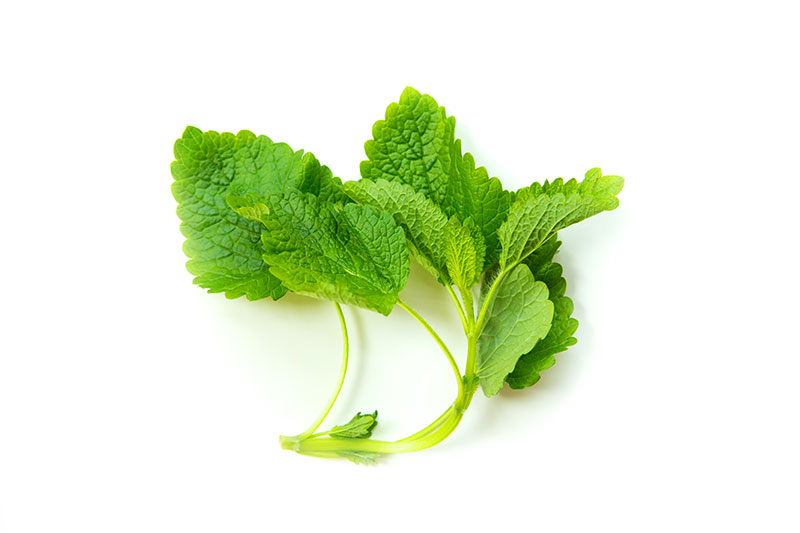
Lemon balm is a member of the mint family and adapts well to hydroponic growing. Its soft green leaves have a pleasant lemon aroma and can be used fresh in herbal tea, infused water, desserts, fruit dishes, and other recipes.
Like mint, lemon balm can grow vigorously once established, so regular trimming helps keep it compact. Depending on the system, lemon balm can be supported in hydroponic growing media such as rockwool, coco coir, perlite, or suitable blends of soilless media.
Don’t assume growing without soil makes lemon balm immune to problems. Indoor plants can still encounter pests such as spider mites, whiteflies, and thrips, while crowded foliage and poor airflow can contribute to disease problems. Inspecting the leaves regularly makes it easier to catch issues before they spread to neighboring herbs.
Best for: Herbal tea, infused water, fragrant indoor gardens, and growers who enjoy mint-family herbs.
Best Hydroponic Herbs at a Glance
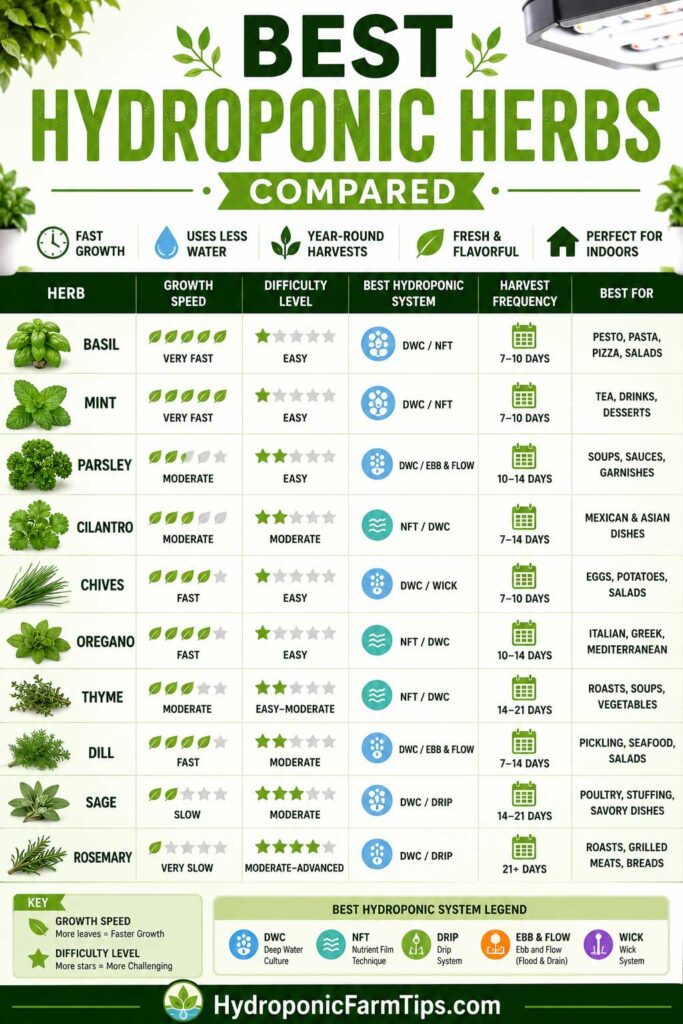
Not sure which herb to grow first? This quick comparison highlights the main differences between our best hydroponic herbs, including their general growth rate, difficulty, and most useful characteristics. Keep in mind that actual growth depends on lighting, temperature, nutrients, variety, and the hydroponic system you’re using.
| Herb | Growth Rate | Difficulty | Best For |
|---|---|---|---|
| Basil | Fast | Easy | Beginners, pesto, frequent harvesting |
| Mint | Fast | Easy | Teas, infused water, frequent harvesting |
| Parsley | Moderate | Easy–Moderate | Everyday cooking, garnishes |
| Cilantro | Moderate | Moderate | Salsa, tacos, curries, succession planting |
| Chives | Moderate–Fast | Easy | Small spaces, eggs, potatoes, repeated harvests |
| Oregano | Moderate | Easy | Pizza, pasta sauces, Mediterranean dishes |
| Thyme | Slow–Moderate | Easy–Moderate | Roasted vegetables, soups, compact gardens |
| Dill | Fast | Moderate | Pickling, foliage and seed harvesting |
| Sage | Slow–Moderate | Moderate | Savory dishes, attractive foliage |
| Rosemary | Slow | Moderate–Advanced | Experienced growers, breads, roasted dishes |
Beginner Tip: For your first hydroponic herb garden, start with basil, mint, chives, or parsley. Basil and mint grow quickly and respond well to regular harvesting, while chives and parsley are compact enough for smaller indoor systems. Once you’re comfortable managing light, nutrients, pH, and root health, you can experiment with slower-growing herbs such as sage and rosemary.
Affiliate disclosure: Hydroponic Farm Tips is reader-supported. When you buy through links on our site, we may earn an affiliate commission at no additional cost to you.
Essential Hydroponic Herb Growing Kit
You don’t need a long list of equipment to start growing herbs hydroponically. A reliable light, basic water-testing tools, hydroponic nutrients, and a suitable growing system cover most of the essentials. If you’re starting from scratch, these are the items I’d prioritize first.
| Product | Why It’s Useful | Best For | Buy on Amazon |
|---|---|---|---|
| Full-Spectrum LED Grow Light | Provides consistent light when natural sunlight isn’t enough | Indoor herb gardens | Check Price |
| DWC Hydroponic Starter Kit | Combines several basic components in one beginner-friendly setup | First hydroponic garden | Check Price |
| Hydroponic Nutrient Solution | Supplies essential mineral nutrients without soil | Most hydroponic herbs | Check Price |
| Digital pH Meter | Makes it easier to monitor nutrient-solution pH | Routine reservoir checks | Check Price |
| Digital EC Meter | Helps monitor the concentration of dissolved nutrients | Managing nutrient strength | Check Price |
Already have some of the basics? There’s no reason to buy everything again. Start with the equipment your current setup is missing and add tools as you need them.
How to Successfully Grow Hydroponic Herbs
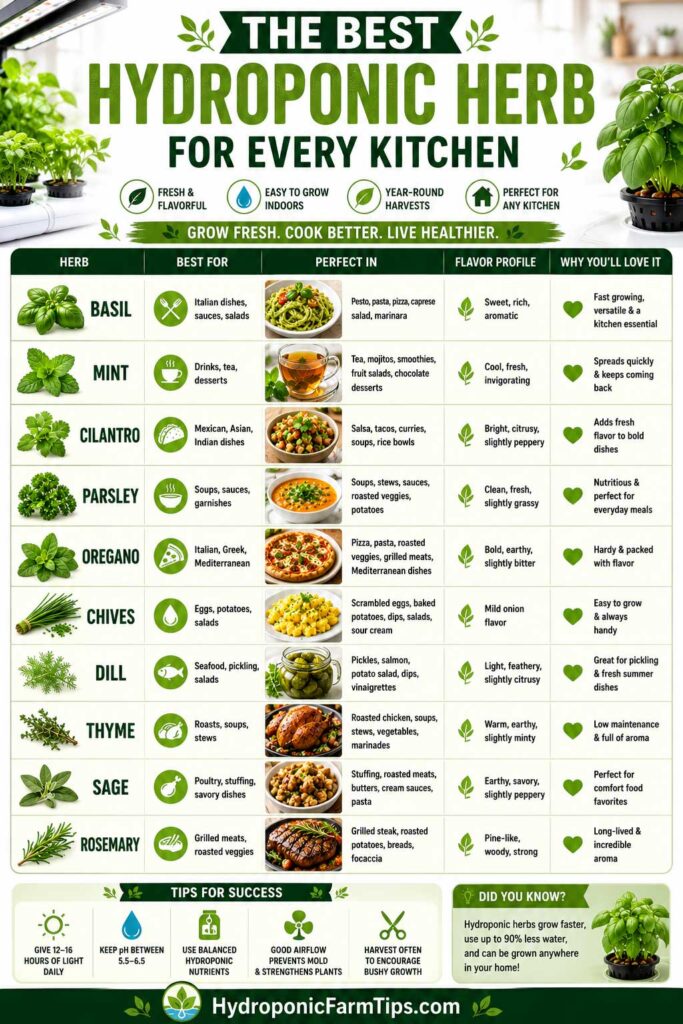
Choosing the right herbs is only part of the equation. Once they’re growing, consistency matters more than constantly adjusting the system. Pay particular attention to light, pH, nutrient strength, water temperature, and root health, and make changes gradually when something moves outside the range your plants prefer.
Provide Enough Light
Most indoor herbs need roughly 12–16 hours of light per day, although the exact requirement varies by species and the intensity of the light they’re receiving. Basil and other light-loving herbs generally benefit from the upper end of that range.
If a sunny window doesn’t provide enough consistent light, a full-spectrum LED grow light can make indoor growing much more predictable. Keep an eye on the plants themselves: long, thin stems and weak growth can indicate that they aren’t receiving enough usable light.
Remember that herbs also need a regular dark period. Leaving grow lights on 24 hours a day isn’t necessary and can interfere with the plant’s normal day-night cycle.
Keep pH in the Right Range
Most of the herbs in this guide perform well in a mildly acidic nutrient solution, generally somewhere around pH 5.5–6.5, although the preferred range varies slightly from one herb to another.
If you’re new to monitoring nutrient solution acidity, our guide to the best pH for hydroponics explains why pH matters and how to adjust it safely.
Check the reservoir regularly with a reliable pH meter. If an adjustment is necessary, use a hydroponic pH Up or pH Down product and make small changes rather than trying to correct the entire difference at once.
The individual growing tables above provide a more specific pH range for each herb.
Don’t Overdo the Nutrients
More fertilizer doesn’t mean faster-growing herbs. Start with a complete hydroponic nutrient solution and monitor its concentration with an EC meter, especially in recirculating systems.
Many culinary herbs can be grown within an EC range of roughly 1.0–1.8 mS/cm, but rosemary, oregano, seedlings, and mature plants don’t necessarily have identical requirements. Use the ranges in the individual herb profiles as your starting point.
Top off the reservoir as water is used or evaporates, and refresh the nutrient solution when necessary based on your system, reservoir size, water quality, and the manufacturer’s nutrient instructions. A fixed replacement schedule isn’t appropriate for every hydroponic setup.
Give the Roots Plenty of Oxygen
Water isn’t the only thing hydroponic roots need. They also require access to oxygen.
This is particularly important in a Deep Water Culture (DWC) system, where roots remain submerged in the nutrient solution. An appropriately sized air pump and air stone help keep the reservoir aerated.
Check the roots whenever you’re maintaining the system. Healthy roots are commonly light-colored, although nutrient solutions can cause some staining. A sudden change to slimy, soft, or foul-smelling roots deserves attention and may indicate developing hydroponic root rot.
Useful Tools for Maintaining a Hydroponic Herb Garden
Once your herbs are growing, a few inexpensive accessories can make routine maintenance much easier. You won’t need every item for every system, so choose the tools that match the way you’re growing.
| Tool | Why It’s Helpful | Buy on Amazon |
|---|---|---|
| Air Pump & Air Stone | Adds aeration to DWC reservoirs and other systems that require it | Check Price |
| Grow Light Timer | Keeps the daily lighting schedule consistent | Check Price |
| Pruning Scissors | Makes clean cuts when harvesting and shaping herbs | Check Price |
| Net Pots | Hold plants while allowing roots to grow into the system | Check Price |
| Replacement Grow Sponges | Convenient for starting seeds in compatible hydroponic systems | Check Price |
You don’t need to turn a simple herb garden into an equipment collection. A pH meter, appropriate nutrients, adequate lighting, and whatever components your particular system requires are enough to get started.
Harvest According to the Herb
Regular harvesting can encourage many culinary herbs to produce fresh growth, but don’t prune every species in exactly the same way.
Basil benefits from pinching stems above a leaf node, while chives can be cut above the base and allowed to regrow. Parsley is generally harvested from the larger outer stems, and woody herbs such as rosemary and sage should be harvested more conservatively while they’re young.
For herbs grown primarily for their leaves, removing developing flowers can sometimes extend the leafy harvest. Basil is a good example. Dill is different—if you want dill seed, you’ll obviously need to let some plants flower and mature.
Watch Temperature, Humidity, and Airflow
A temperature around 65–75°F (18–24°C) works well for many common culinary herbs, but there are exceptions. Cilantro generally appreciates cooler conditions, while basil prefers more warmth.
Humidity requirements also vary with the crop and growing environment, so don’t focus on hitting one exact percentage. Instead, provide reasonable airflow around the foliage and avoid conditions where leaves remain damp or tightly crowded together.
A small fan can improve air movement in an indoor garden, but it shouldn’t blast the plants continuously. Gentle circulation is enough to move stagnant air around the growing area.
Common Mistakes to Avoid
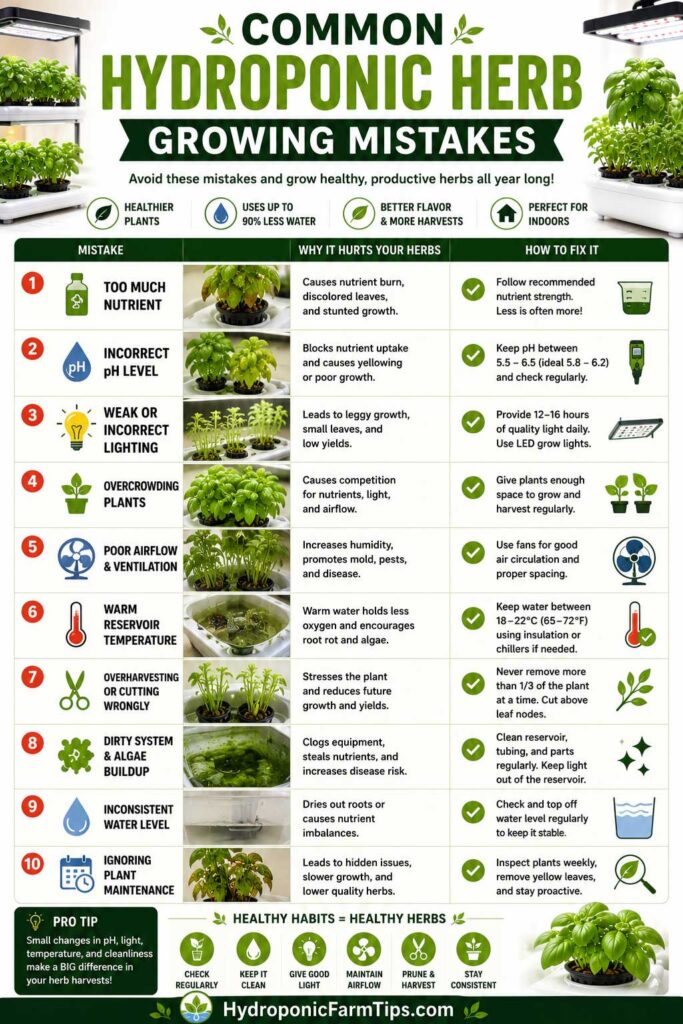
Hydroponic herbs are generally forgiving, but small problems can become much harder to correct when they’re ignored for too long. Most issues come back to a handful of basics: unstable pH, excessive nutrients, poor lighting, overcrowding, and neglected root-zone conditions.
Letting pH Drift
Don’t assume the pH is still correct because you adjusted it a few days ago. Plants absorb water and nutrients at different rates, so reservoir pH naturally changes over time.
Check it regularly and make small adjustments when necessary rather than waiting until it moves far outside the preferred range.
Using Too Much Nutrient
It’s tempting to give slow-growing plants a stronger nutrient solution, but more isn’t necessarily better. Excessive nutrient concentration can stress roots rather than speed up growth.
Use an EC meter to monitor nutrient strength and follow the recommended range for the herb you’re growing.
Crowding Too Many Herbs Together
Small seedlings can make a hydroponic system look almost empty, but that changes quickly. Basil, mint, dill, and other vigorous herbs can eventually shade or crowd their neighbors.
Plan for the mature size of each plant, not just the size when you transplant it. Adequate spacing also improves airflow around the foliage.
Ignoring Water Temperature and Root Health
Warm, poorly oxygenated nutrient solution can create unfavorable conditions around the roots. This is particularly important in DWC systems, where the roots remain submerged.
Slimy texture, unpleasant odors, discoloration accompanied by poor growth, or rapidly deteriorating roots can indicate a developing root-zone problem.
Providing Too Little Light
Herbs grown indoors may survive with weak lighting without producing the compact, leafy growth you’re expecting. Long stems, wide spaces between leaves, and plants leaning strongly toward the light are common signs that lighting may be inadequate.
Make sure your grow light provides sufficient intensity as well as an appropriate daily lighting period.
Harvesting Every Herb the Same Way
Basil, chives, parsley, dill, and rosemary don’t respond to pruning in exactly the same way. Cutting in the wrong place—or removing too much from a young plant—can slow its recovery.
Follow the harvesting method appropriate for each herb and give newly established plants time to develop before taking large harvests.
Neglecting System Cleaning
Old roots, algae, plant debris, and residue shouldn’t be allowed to accumulate indefinitely. Remove dead plant material when you see it and clean reusable components between crops.
Pro Tip: Make reservoir checks part of your normal routine. Look at the water level, pH, EC, roots, leaves, and equipment regularly. Catching a drifting pH reading, clogged pump, pest problem, or unhealthy root early is much easier than trying to rescue an entire system later.
Frequently Asked Questions
What are the best hydroponic herbs for beginners?
Basil, mint, chives, parsley, and oregano are among the best hydroponic herbs for beginners. Basil and mint grow vigorously, while chives and parsley stay relatively compact and work well in smaller indoor systems. Oregano is another good option if you want a slower-growing culinary herb that responds well to regular trimming.
Which hydroponic herbs grow the fastest?
Basil and mint are two of the faster-growing choices in a hydroponic herb garden. How soon you can begin harvesting depends on whether you start from seed, cuttings, or transplants, along with the variety, lighting, temperature, and overall growing conditions.
Instead of harvesting according to a fixed number of weeks, wait until the plant is well established and has enough healthy foliage to recover from cutting.
Can all herbs be grown hydroponically?
Many culinary herbs can be grown hydroponically, but some are better suited to it than others. Basil, mint, parsley, cilantro, chives, oregano, thyme, and dill are all practical choices.
Woody perennial herbs such as rosemary and sage can also grow hydroponically, but they develop more slowly and require more attention to spacing, root-zone oxygenation, and long-term plant management.
Do hydroponic herbs taste different from soil-grown herbs?
Hydroponically grown herbs can develop excellent flavor and aroma when they receive adequate light and appropriate nutrition. Flavor isn’t determined simply by whether a plant grows in soil or water; variety, maturity, environmental conditions, nutrition, and harvesting time can all influence the final result.
For home growers, the biggest advantage may simply be freshness—you can harvest leaves immediately before using them.
Do hydroponic herbs need special nutrients?
Yes. Because there is no soil supplying mineral nutrients, hydroponic herbs need a complete hydroponic nutrient solution containing the essential elements required for plant growth.
Use a product formulated for hydroponics and monitor nutrient strength according to the needs of your plants. Ordinary garden fertilizers aren’t always appropriate because they’re formulated for use in soil and may not provide nutrients in the right form or balance for a hydroponic system. Our hydroponic nutrient and pH chart provides a quick reference for common hydroponic crops.
Because there is no soil supplying mineral nutrients, hydroponic herbs need a complete nutrient solution containing the essential elements required for plant growth.
How often should I harvest hydroponic herbs?
There isn’t one harvesting schedule that works for every herb. Fast-growing basil and mint can be harvested regularly once established, while slower-growing rosemary, sage, and thyme generally need more time between substantial cuttings.
The harvesting method matters too. Pinch basil above a leaf node, take larger outer parsley stems first, cut chives above the base, and harvest young rosemary stems more conservatively. Avoid removing so much foliage that the plant struggles to recover.
Can I grow several herbs in the same hydroponic system?
Yes, provided the herbs have reasonably compatible requirements for pH, nutrient strength, temperature, light, and space.
Basil, parsley, chives, and some other culinary herbs can share a system successfully, but watch differences in growth rate. Mint, for example, can become large enough to crowd neighboring plants, while tall dill may shade shorter herbs.
For mixed systems, choose plants based on compatible growing conditions rather than simply putting every herb into the same reservoir.
What is the best hydroponic system for growing herbs?
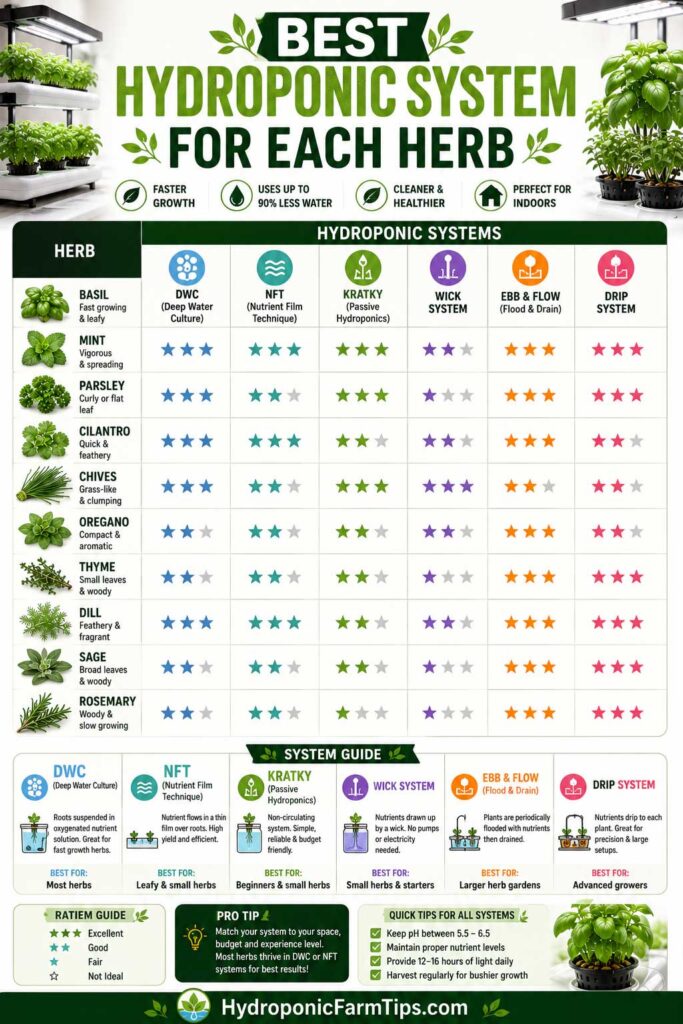
There isn’t one system that’s best for every herb or every grower. DWC is straightforward and works particularly well for basil, mint, and other leafy herbs. NFT is useful when you want to grow several plants efficiently in channels, while drip and ebb-and-flow systems offer more flexibility for larger or woody herbs.
The Kratky method can be a simple option for small, passive setups because it doesn’t require a circulating water pump. If you’re comparing methods, see our guide to the best hydroponic systems for home for a closer look at the advantages and limitations of each.
If you’re still deciding which setup fits your space and experience level, here’s a quick comparison of the main options we’ve discussed throughout this guide.
Best Hydroponic Systems for Herbs
| System | Good Choice For | Experience Level | Buy on Amazon |
|---|---|---|---|
| Deep Water Culture (DWC) | Basil, mint, parsley, chives, and other leafy herbs | Beginner | Check Price |
| Nutrient Film Technique (NFT) | Growing several herbs in channels | Beginner–Intermediate | Check Price |
| Kratky | Small, simple passive gardens without a circulating pump | Beginner | Check Price |
| Ebb & Flow | Mixed herb gardens and growers who want more flexibility | Intermediate | Check Price |
| Drip System | Larger herbs and more customizable setups | Intermediate–Advanced | Check Price |
Before choosing a system, think about more than the number of planting sites. Available space, plant height, reservoir size, lighting, aeration, and how much maintenance you’re comfortable doing all matter.
For a deeper comparison, see our Best Hydroponic Systems for Home guide.
Ready to Start Your Hydroponic Herb Garden?
Growing herbs hydroponically is one of the simplest ways to enjoy fresh, flavorful ingredients throughout the year. With the right lighting, balanced nutrients, and a reliable hydroponic system, you can harvest basil, mint, parsley, cilantro, and many other herbs right from your kitchen or indoor garden.
If you’re just getting started, we recommend beginning with a Deep Water Culture (DWC) starter kit, a quality full-spectrum LED grow light, and a digital pH meter. These three essentials make it much easier to maintain healthy plants and achieve consistent harvests.
Explore our recommended hydroponic gardening equipment to find reliable products that fit your budget and help you build a thriving indoor herb garden.
Start Growing Your Own Hydroponic Herb Garden
You don’t need a large system or ten different plants to get started. A few pots of basil, mint, chives, or parsley can provide plenty of fresh herbs while giving you a chance to learn how your system responds to changes in light, nutrients, pH, and temperature.
For a first attempt, basil is probably the best hydroponic herb to grow. It’s fast, useful in the kitchen, and responds noticeably to regular pruning. Mint and chives are also forgiving choices, while parsley is worth growing if you don’t mind waiting a little longer for it to get established.
Once you’ve mastered those, try adding oregano, thyme, cilantro, or dill. Rosemary and sage can come later when you’re comfortable managing slower-growing, woody herbs and their root-zone requirements.
The real advantage of growing herbs hydroponically is having them close at hand. Instead of buying a bunch of herbs for one recipe and watching the leftovers wilt in the refrigerator, you can clip what you need and leave the rest of the plant growing for another meal.
Start small, learn what your herbs are telling you, and expand the garden when you’re ready.
Keep Growing
Ready to add more than herbs to your system? These Hydroponic Farm Tips guides can help you choose your next plants, fine-tune your growing conditions, and troubleshoot common problems:
- Best Hydroponic Systems for Home — compare DWC, NFT, Kratky, drip, ebb and flow, and other popular setups.
- 10 Best Hydroponic Vegetables — find productive vegetables that grow well without soil.
- 10 Best Hydroponic Fruits — explore fruiting plants for larger or more advanced systems.
- Best pH for Hydroponics — learn why pH matters and how to keep your nutrient solution within the right range.
- Hydroponic Nutrient & pH Chart — quickly compare nutrient and pH requirements for common plants.
- How to Prevent and Treat Root Rot in Hydroponics — identify unhealthy roots and learn what to do before the problem spreads.